Blog ·
Preparing Your Landscape for Seasonal Transitions
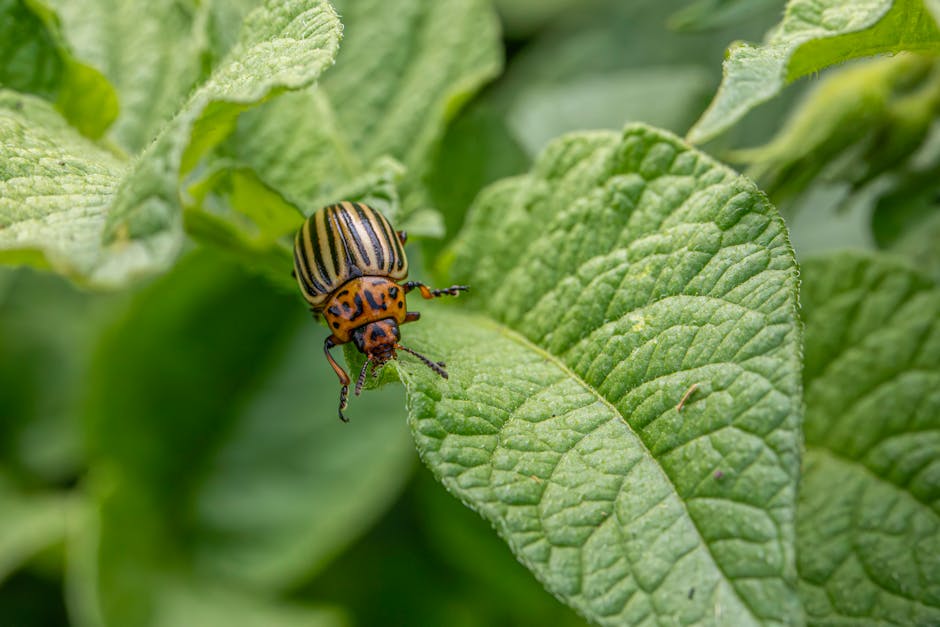
Each season brings different demands for your outdoor space. Understanding how to prepare your landscape as seasons change helps prevent problems, maintains plant health, and ensures your yard looks its best year-round.
Fall Preparation
As temperatures drop, shift your focus to preparing for winter. Reduce watering frequency as plants enter dormancy and require less moisture. Aerate and overseed lawns in early fall to establish strong root systems before cold weather arrives. Apply fall fertilizer to trees and shrubs to build nutrient reserves for spring growth. Leaf management is critical—remove accumulated leaves from lawns and planting beds to prevent disease and allow grass to breathe. Clean gutters and ensure proper drainage around your landscape to prevent water damage.
Winter Considerations
Winter is an excellent time for major landscaping projects like tree planting, since dormant plants handle transplanting better and require less water. Prune dead branches and shape trees while they're leafless, improving spring structure. Mulch sensitive plants before hard freezes arrive. Stop fertilizing to encourage dormancy rather than tender new growth vulnerable to frost damage. Clear pathways and high-traffic areas of debris and snow to prevent accidents and compaction damage to underlying grass.
Spring Awakening
As growth resumes, remove winter mulch gradually to allow soil temperature to rise and prevent rot. Prune spring-flowering shrubs immediately after blooming to avoid removing next season's flowers. Resume regular watering as new growth accelerates. Address winter damage visible on trees and shrubs through appropriate pruning. Start a regular maintenance schedule as the growing season intensifies. Spring is ideal for major landscaping installations and renovations since plants recover quickly and establish strong roots.
Summer Success
Increase watering frequency as heat and growth demands peak. Monitor for pest and disease problems that thrive in warm, humid conditions. Deadhead spent flowers to encourage continued blooming. Maintain consistent mowing and edging schedules. Apply summer mulch if needed to manage moisture and temperature. Avoid heavy pruning during peak heat.
Working with Seasonal Changes
Each season requires different care approaches and offers unique opportunities for landscape improvements. Professional landscape designers and maintenance teams understand these transitions and adjust their practices accordingly. They can create a year-round maintenance calendar customized to your property's specific needs, ensuring your outdoor space remains healthy and attractive through every season.