Blog ·
The Complete Guide to Summer Lawn Care
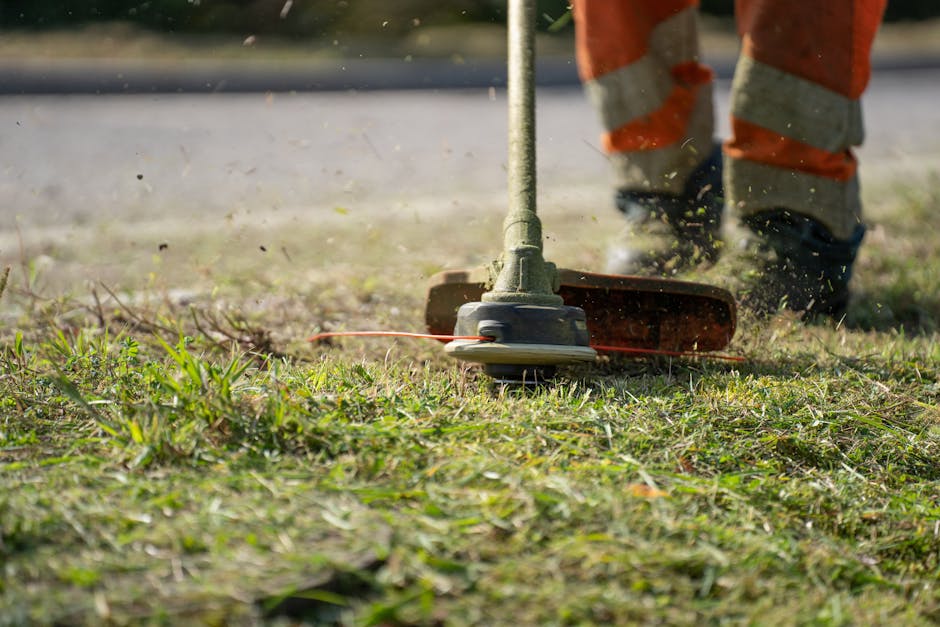
Summer is when your lawn works hardest, but with the right care routine, you can maintain a healthy, vibrant yard throughout the hottest months. The key is understanding how heat and drought stress your grass and adjusting your maintenance schedule accordingly.
Watering Strategy
Proper watering is essential during summer. Most lawns need between one and one-and-a-half inches of water per week, including rainfall. Water deeply but less frequently to encourage deep root growth. Early morning watering is ideal, as it reduces evaporation and allows the grass to dry before evening, minimizing disease risk. Avoid shallow daily watering, which creates weak, surface-level roots that cannot tolerate heat stress.
Mowing Best Practices
Keep your mower blade sharp and set to a height of two-and-a-half to three-and-a-half inches, depending on your grass type. Taller grass shades the soil, keeping it cooler and reducing water loss. Never cut more than one-third of the blade height at once, as this stresses the plant. Mow during cooler morning or evening hours rather than midday heat.
Managing Pests and Diseases
Summer heat creates ideal conditions for certain lawn diseases and pests. Watch for signs of stress like brown patches, unusual discoloration, or increased insect activity. Proper watering and mowing habits help prevent many common summer problems. Adequate air circulation through reasonable spacing also reduces fungal issues.
Fertilization During Heat
Avoid heavy nitrogen applications during intense summer heat, as this can encourage soft new growth vulnerable to disease. If you fertilize, use a slow-release formula and apply it during cooler parts of summer. Many professionals recommend waiting until late summer to resume regular feeding schedules.
Addressing Compacted Soil
Summer activity and foot traffic can compact soil, reducing water penetration and root growth. If drainage issues develop or your lawn shows stress even with proper watering, soil compaction may be the culprit. Professional aeration helps restore soil health and improves water and nutrient absorption.
Spot Treatment for Problem Areas
Some areas may dry out faster than others, particularly south-facing or elevated sections. These spots may need supplemental watering beyond your regular schedule. Similarly, shaded areas often struggle with fungal issues and benefit from improved air circulation.
Consistent summer care prevents many fall problems and sets your lawn up for healthy growth. Working with landscape professionals ensures your lawn receives the specific attention it needs based on your local climate and soil conditions.